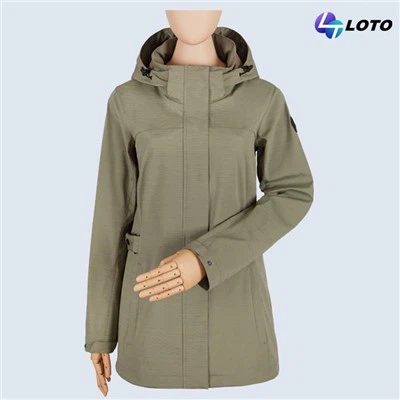
When it comes to staying warm and dry in cold weather, down jackets are a popular choice for many outdoor enthusiasts. Made from a combination of down insulation and a durable outer shell, these jackets are designed to provide both warmth and protection from the elements. But are they waterproof?
The short answer is no, down jackets are not completely waterproof. While they are often treated with a durable water repellent (DWR) coating on the outer shell, this is not enough to make them fully waterproof. In heavy rain or wet conditions, water can seep through the outer shell and saturate the down insulation, which can lead to the jacket losing its insulating properties.
However, it's important to note that not all down jackets are created equal. Some down jackets are designed to be more water-resistant than others. For example, some manufacturers use a waterproof or water-resistant outer shell material to help protect the down insulation from getting wet. Additionally, some down jackets have a membrane or laminate layer that provides an additional level of water resistance.
If you're planning to wear a down jacket in wet or snowy conditions, it's important to choose one that is designed to be water-resistant. Look for jackets that have a waterproof or water-resistant outer shell, or those that have been treated with a DWR coating. Additionally, consider layering your down jacket with a waterproof or water-resistant shell layer for added protection.
It's also important to note that down jackets can be damaged by water, even if they are designed to be water-resistant. If your jacket gets wet, be sure to dry it as soon as possible to prevent the down insulation from clumping and losing its insulating properties. Hang your jacket up to air dry, and avoid using high heat or direct sunlight, as this can damage the down insulation.
In conclusion, down jackets are not completely waterproof, but they can be designed to be water-resistant. When choosing a down jacket, look for jackets with a waterproof or water-resistant outer shell or those that have been treated with a DWR coating. Additionally, consider layering your jacket with a waterproof or water-resistant shell layer for added protection. With proper care and maintenance, a water-resistant down jacket can provide reliable warmth and protection in a variety of weather conditions.