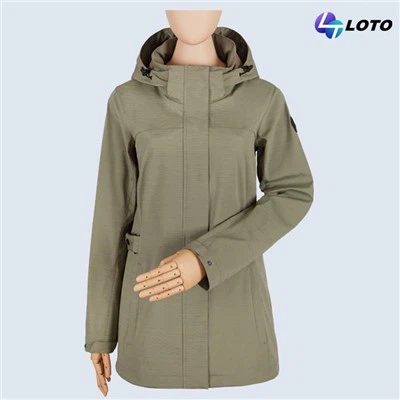
The woven garment industry, as an integral part of the global apparel and textile sector, has long been under the spotlight. Although it has seen significant advancements over the past decades, it simultaneously grapples with multiple challenges. Concurrently, emerging opportunities and trends offer a renewed perspective for the sector's future. Here's an overview of the current key challenges and what the future holds for the woven garment industry:
Challenges:
Sustainability Concerns: With a growing global focus on environmental issues, the adoption of sustainable production methods and materials becomes pressing.
Technological Updates: Keeping pace with rapidly advancing technologies, such as automation and smart manufacturing, demands continuous investments and training by manufacturers.

Market Competition: Globalization has ushered in intensified market competition, requiring brands and manufacturers to innovate consistently to maintain their market position.
Supply Chain Management: Impacted by political, economic, and health crises (like the COVID-19 pandemic), maintaining a robust and efficient supply chain stands as a significant challenge.
Evolving Consumer Demands: The increasing consumer expectations for speed, personalization, and transparency present new requirements for production processes and market strategies.

The Future:
Digitization and Technological Integration: Digital technologies will be more deeply integrated throughout the industry from design to production to sales, enhancing efficiency and catering to consumers' personalized needs.
Environmental Conservation and Circular Economy: Circular economies and repurposing will become mainstream, aiming to reduce waste and enhance material use efficiency.
Smart Manufacturing: Leveraging AI, machine learning, and other technologies, future woven garment production will become more intelligent and automated.
Direct-to-Consumer (D2C) Model: Brands may increasingly adopt a direct-to-consumer sales approach, eliminating middle stages and enhancing direct connections with consumers.
Diverse Regional Production: To mitigate supply chain risks and cater to localization needs, production might happen across various regions instead of being centralized in one area.
Against this backdrop, some industry frontrunners have already begun proactively addressing these challenges while capitalizing on new opportunities. For instance, Lotogarment, as a professional outerwear manufacturer, has secured a significant position in the woven outerwear manufacturing domain, thanks to its cutting-edge production technologies and keen insights into industry trends. Collaborating with manufacturers like Lotogarment can assist brands in better navigating the aforementioned challenges while leveraging industry developments.
In conclusion, while the woven garment industry faces numerous challenges, technological advancements and shifting market demands still promise vast potential and opportunities. Most importantly, businesses must consistently innovate and adapt to this rapidly changing environment to ensure their future success and prosperity.