Introduction: Why Supplier Location Matters in Outdoor Apparel Manufacturing
When it comes to building a reliable and scalable outerwear supply chain, one of the first-and most critical-decisions is choosing between a local or international clothing supplier. This choice impacts everything from production cost and lead times to communication flow and long-term brand agility.
In today's globalized manufacturing landscape, brands have more options than ever. Local suppliers may offer speed and proximity, while international manufacturers often provide cost efficiency and large-scale capabilities. However, the right choice isn't simply about location-it's about alignment with your business goals, timeline, and quality expectations.
This article breaks down the key differences, benefits, and challenges of both supplier types, helping you make a sourcing decision that supports long-term growth.
Definition: What Defines a Local vs. International Clothing Supplier?

Local Clothing Supplier
A local supplier is based within your home country or region. For example, if your company is based in the U.S., a supplier located in the same country (or possibly Canada or Mexico, depending on trade agreements) would be considered local.
Characteristics:
- Shorter shipping distances
- Similar time zones and working hours
- Familiar regulatory environment and legal systems
- Easier factory visits and in-person inspections

International Clothing Supplier
An international supplier is located outside your domestic region-often in Asia (e.g., China, Vietnam, Bangladesh), Eastern Europe, or South America, where garment manufacturing costs are generally lower.
Characteristics:
- Lower labor and material costs
- High production scalability
- Broader access to sourcing networks
- Greater variety of product customization options
Both options can produce high-quality garments, but each comes with unique considerations related to your priorities in pricing, control, speed, and risk.
Key Factors to Consider When Choosing a Supplier Location
When comparing local and international clothing manufacturers, there are several critical variables that should guide your decision:
Production Cost
- International suppliers typically offer more competitive pricing due to lower labor and overhead costs.
- Local suppliers may charge higher rates, but can sometimes offset that with lower shipping and storage costs.
01
Lead Time
- Local production often means faster turnaround, especially for urgent or small-batch orders.
- Overseas suppliers require longer shipping times, but efficient partners can still offer competitive timelines with proper planning.
02
- Local manufacturers allow for easier quality inspections and hands-on involvement.
- International manufacturers can still provide strong quality assurance if they have structured QC processes and certifications (like ISO, BSCI, etc.).
03
Communication
- Language barriers, time zones, and cultural differences can affect responsiveness and clarity with international partners.
- Local suppliers offer easier real-time communication and fewer misunderstandings.
04
Logistics and Tariffs
- International sourcing involves customs clearance, duties, and potential delays in global shipping lanes.
- Domestic sourcing simplifies logistics and reduces the risk of border-related delays.
05
Making the right choice involves weighing these factors against your product needs, operational capacity, and long-term growth plans.
Pros and Cons of Local Outdoor Clothing Suppliers
Choosing a local clothing supplier has distinct advantages, especially for brands that value speed, control, and collaboration. However, there are also limitations that must be considered.
Pros
- Faster Communication & Easier Collaboration:No language barrier, cultural alignment, and same time zone mean decisions can be made faster and with fewer misunderstandings.
- Shorter Lead Times:Local production can significantly reduce shipping time and allow for quicker order fulfillment-ideal for restocking or trend-responsive brands.
- Easier Quality Control:Brands can physically visit factories, inspect samples, and monitor production in real time.
- Fewer Regulatory Barriers:Familiar labor laws, environmental standards, and trade compliance make legal processes smoother.


Cons
- Higher Manufacturing Costs:Labor, material, and operational costs are generally higher in developed countries.
- Limited Customization Options or Scale:Smaller local factories may lack advanced equipment or material access for highly technical or large-volume production.
- Less Competitive Pricing in Global Markets:Brands with tight margins may struggle to stay competitive if sourcing only domestically.
Pros and Cons of International Outdoor Clothing Suppliers
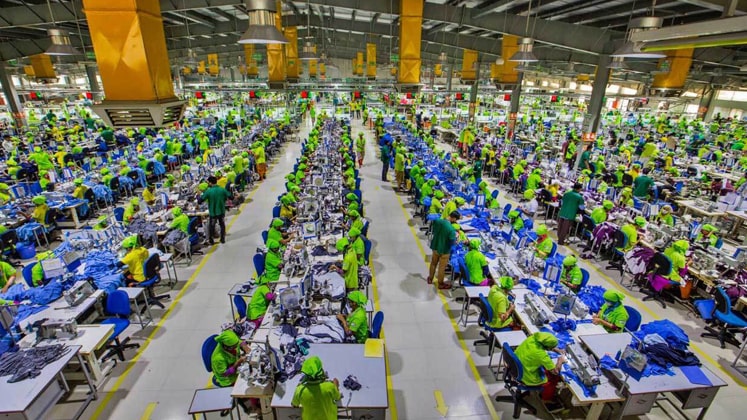
Working with an international clothing supplier-especially in Asia-offers considerable cost and production advantages, though it comes with a different set of trade-offs.
Pros
- Lower Production Costs:Labor and material costs are significantly lower, especially in manufacturing hubs like China, Bangladesh, and Vietnam.
- Scalable Production Capacity:International suppliers are well-equipped for high-volume orders, seasonal surges, and multi-style production.
- Wider Range of Materials and Customization:Access to extensive fabric markets and advanced machinery allows for greater design flexibility.
- Experience with Export-Oriented Production:Many overseas manufacturers are experienced in global apparel compliance, logistics, and private labeling.
- Cons
- Longer Shipping Times:International freight adds weeks to delivery schedules, especially during global disruptions.
- Communication Delays or Misunderstandings:Time zone differences and language challenges can slow down development or sampling processes.
- Quality Assurance Requires More Oversight:Without local presence or third-party QC, maintaining consistent standards can be more difficult.
- Import Duties and Customs Risks:Brands must account for international tariffs, documentation, and potential customs delays.

Use Cases: Which Type of Supplier Is Right for Your Brand?
Not every brand has the same needs. Here's how to decide which supplier model suits your business best:
Choose Local Suppliers If You:
- Need quick lead times and responsive communication
- Have a premium pricing model and can afford higher production costs
- Require frequent quality inspections or custom approvals
- Are operating in a regulated or corporate uniform market
Choose International Suppliers If You:
- Aim to reduce unit costs and scale rapidly
- Plan to launch large product collections or seasonal drops
- Need access to a wide range of technical fabrics and customization options
- Are prepared for longer lead times and can manage logistics professionally
How Hebei Loto Bridges the Gap Between Local Control and Global Scalability
At Hebei Loto, we understand that modern outdoor brands want the cost-efficiency and scale of international production, but also need the responsiveness, quality control, and transparency typically associated with local suppliers.
That's why we've built a manufacturing model that delivers the best of both worlds:
Global Manufacturing Capacity
Our factory, based in China's garment manufacturing hub, is equipped with:
- Advanced production equipment for waterproof, insulated, and technical outerwear
- A skilled workforce experienced in both OEM and ODM garment production
- Export-compliant systems for working with brands in North America, Europe, Australia, and more
Localized Support and Communication
To support our international partners:
- We provide dedicated account managers fluent in English and experienced in B2B supply chain coordination
- Our sampling and prototyping process is fast, transparent, and includes detailed feedback and digital previews
- We maintain strict quality control through multi-stage inspections and third-party QC upon request
Sustainability & Compliance
We integrate sustainability into our manufacturing:
- Recycled and eco-certified materials
- Low-impact dyeing and finishing
- Compliance with OEKO-TEX®, GRS, and other certifications
At Hebei Loto, our mission is to provide efficient, custom outerwear solutions that match your brand's technical needs, aesthetic vision, and delivery expectations-without the complexity of managing global operations on your own.
Making the Right Sourcing Decision for Long-Term Growth

Choosing between a local or international outdoor clothing supplier is more than a logistical decision-it's a strategic move that can shape your product quality, speed to market, and profit margins.
Local suppliers offer speed and familiarity, perfect for brands requiring hands-on involvement and quick turnarounds.
International suppliers deliver cost advantages and production scalability, ideal for brands targeting growth and global markets.
With a hybrid approach like Hebei Loto's, brands can enjoy international efficiency with local-level service and quality control. Whether you're launching your first collection or optimizing a mature supply chain, we're here to help you succeed.
Ready to scale your outdoor apparel business with confidence? Contact us for a customized manufacturing solution.

FAQ: Choosing Between Domestic and Overseas Outerwear Suppliers

01.Is it cheaper to manufacture outdoor jackets overseas?
02.Are quality standards lower with international manufacturers?
03.Can I work with an overseas supplier if I have no design team?
04.Will I face delays with international shipping?
05.How do I ensure communication is smooth with an international supplier?