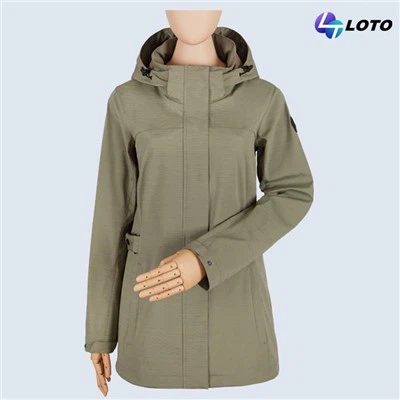
Garment inspection procedures are critical in ensuring that finished products meet the required quality standards. These inspections are carried out during various stages of the production process, from pre-production to final shipment. Below are the main stages of garment inspection and their procedures.
Pre-production inspection: This inspection is done before production begins to ensure that the factory is capable of producing the garments to the required specifications. The inspector checks the raw materials, such as fabrics, trims, and accessories, to ensure that they meet the quality standards. They also check the factory's production capability, machinery, and equipment to ensure that they are in good working condition.
During production inspection: This inspection is done during the production process to ensure that the garments are being produced to the required quality standards. The inspector checks the fabric, trim, and accessories to ensure that they are being used correctly. They also check the stitching, seams, and overall construction of the garments to ensure that they meet the quality standards.
Final inspection: This inspection is done after the garments are completed, and it is the last chance to identify any defects or quality issues. The inspector checks the finished garments for any defects, such as loose threads, incorrect sizing, and stains. They also check the workmanship, such as the stitching, buttoning, and zippers, to ensure that the garments are of the required quality.
Random inspection: This type of inspection is done at random intervals during the production process. The inspector selects a random sample of garments from the production line and checks them for defects or quality issues.
AQL inspection: AQL (Acceptable Quality Level) inspection is a widely used method for garment inspections. This method involves inspecting a sample of garments according to a predetermined AQL standard. The AQL standard sets the maximum number of defects that are acceptable in a batch of garments. If the number of defects is below the AQL standard, the batch is approved for shipment.
In summary, garment inspection procedures are critical in ensuring that the finished products meet the required quality standards. The inspections are done at various stages of the production process, and they involve checking the materials, workmanship, and finished garments for defects and quality issues. A random or AQL inspection may also be conducted to ensure that the garments meet the required quality standards.