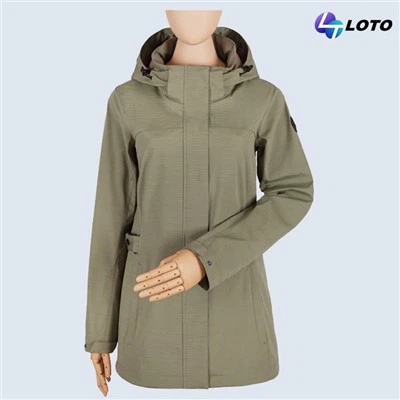
When it comes to winter wear, few items can rival the popularity and functionality of a down jacket. Renowned for their exceptional warmth-to-weight ratio, these jackets are a favorite among outdoor enthusiasts and city dwellers alike. But what exactly is a down jacket, and how does it manage to keep us so warm? Let's delve into the world of down jackets to understand their magic better.
What Is Down?
Down is the fluffy layer of feathers found underneath the tougher exterior feathers of birds, usually ducks and geese. Unlike regular feathers, down clusters are light and soft with many filaments extending out in all directions. This structure creates numerous tiny air pockets that trap warm air and retain heat, serving to keep the bird warm. When used in a jacket, this down fill creates an insulating layer between the cold outside air and your body, thus conserving your body heat.

Anatomy of a Down Jacket
A down jacket typically consists of an outer shell, which is made from durable, often tightly-woven synthetic materials such as nylon or polyester. This outer shell is then filled with down. The jacket is typically designed with baffles, which are sewn compartments that hold the down in place and prevent it from shifting around. This ensures that the jacket has a consistent layer of insulation throughout.
The quality and warmth of a down jacket are often represented by a 'fill power' rating. Fill power refers to the volume in cubic inches that one ounce of the down fill occupies. The higher the fill power, the more air pockets the down can trap, and therefore the more insulating the jacket will be.
Advantages of Down Jackets
Down jackets have several advantages that make them a popular choice for winter wear. Firstly, they are incredibly warm. The ability of down to trap and retain heat is unparalleled, making down jackets an excellent option for cold weather.
Secondly, down jackets are lightweight. Despite their significant insulation capabilities, these jackets are typically light and easy to wear, making them a favorite for many who need warmth but don't want to be weighed down by their clothing.
Another advantage of down jackets is their compressibility. Down jackets can often be packed down into a very small size, making them perfect for travel or outdoor activities where space is a premium.

The Downside of Down Jackets
While down jackets offer substantial warmth and comfort, they do have their limitations. Perhaps the most significant drawback is that down loses its insulating ability when it gets wet. The down clusters clump together when wet, losing their loft and their ability to trap air and retain heat. Therefore, down jackets are not the best choice for wet weather unless they have a water-resistant or waterproof shell.
Furthermore, ethical concerns surround the production of down, as it involves plucking down from birds. Many manufacturers have committed to responsible sourcing practices, but it's still a concern for those who prioritize animal welfare.
In Conclusion
Down jackets are an impressive piece of technology, using nature's own designs to keep us warm in the chilliest of weather. Understanding how they work can help you appreciate their value and care for them properly to ensure they provide you with warmth for many winters to come. Whether you're traversing snowy trails or navigating the urban winter landscape, a down jacket can be a cozy and comfortable ally against the cold.