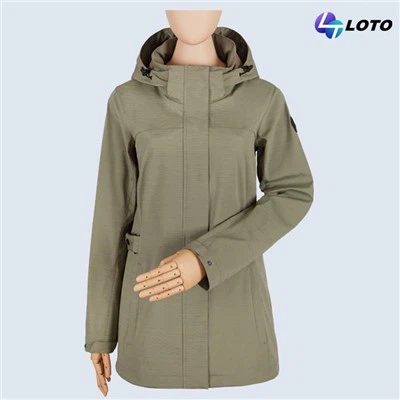
The fashion industry is constantly evolving, and new technologies are driving this evolution. One technology that has been making waves in recent years is 3D technology. 3D technology is being used in a variety of industries, and the fashion industry is no exception. In this article, we will explore the application of 3D technology in the fashion industry.
What is 3D Technology?
3D technology is a process of creating three-dimensional objects using digital files. This technology has been used in industries such as engineering and architecture for many years. In recent years, it has been adopted by the fashion industry to create 3D designs of clothing and accessories.
The Benefits of 3D Technology in Fashion
There are several benefits to using 3D technology in the fashion industry. One of the biggest benefits is the ability to create accurate and realistic 3D models of clothing designs. This allows designers to see how their designs will look and fit before they are made into physical prototypes. This can save time and money, as designers can make changes to their designs before they are produced.
Another benefit of 3D technology is the ability to create virtual showrooms. This allows designers to showcase their designs to buyers and customers in a virtual environment. This can save time and money, as designers do not need to produce physical samples to show their designs.
3D technology can also be used in the production process. Using 3D technology, designers can create patterns and designs that can be sent directly to manufacturers for production. This can save time and money, as it eliminates the need for physical patterns and samples to be sent back and forth between designers and manufacturers.
Examples of 3D Technology in Fashion
There are several examples of 3D technology being used in the fashion industry. One example is the use of 3D printing to create accessories and jewelry. Designers can create digital files of their designs, which can then be printed in 3D using various materials such as plastic, metal, and even wood.
Another example is the use of 3D body scanning to create custom clothing. Customers can have their bodies scanned, and their measurements can be used to create custom-fit clothing that is tailored to their specific body shape.
Conclusion
In conclusion, 3D technology is an exciting development in the fashion industry. It allows designers to create accurate and realistic 3D models of their designs, which can save time and money in the design and production process. It also allows for the creation of virtual showrooms and the customization of clothing for individual customers. As technology continues to evolve, it will be interesting to see how 3D technology will be used in the fashion industry in the future.