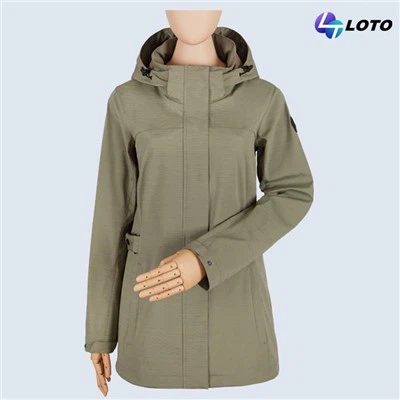
Winter is a time for snowflakes, hot cocoa, warm fires, and most importantly, snug clothing. Among the assortment of winter attire, a standout garment for many individuals is the light down jacket. It manages to keep us warm without the need for excessive layering and avoids making us look like a marshmallow. But what exactly is a light down jacket, and how does it function so efficiently to retain our body heat? Let's delve into the details.
A light down jacket, as the name suggests, is a jacket that uses down, the fluffy layer beneath the feathers of birds, as an insulator. Down has been employed as a proficient heat retainer for centuries. This element of bird plumage provides exceptional insulation by creating thousands of tiny air pockets that trap warm air and retain heat, thus effectively shielding the bird - or in our case, the wearer - from cold conditions.
The 'light' in a light down jacket indicates that the jacket isn't as bulky or heavy as traditional winter outerwear. Despite its thinness, it still efficiently maintains warmth due to the effective insulation properties of down.

Anatomy of a Light Down Jacket
Light down jackets comprise an outer shell, typically made from a tightly woven synthetic material. This material often provides resistance against wind and a degree of water repellency to protect the down inside from getting wet.
Inside the shell, down clusters fill compartments, often called baffles, sewn into the jacket. These baffles prevent the down from shifting around, ensuring an even distribution of insulation throughout the jacket. The down filling in these jackets usually comprises a high fill-power rating, which refers to the amount of space one ounce of down can fill in cubic inches. The higher the fill power, the more warmth the jacket can provide relative to its weight.
Perks of a Light Down Jacket
Besides their proficient insulation properties, light down jackets have several other advantages. They are highly compressible, meaning they can be squeezed down to a small size without losing their loft or insulation ability when unpacked. This makes them ideal for travel or outdoor activities where carrying capacity is limited.

Light down jackets are also very lightweight, making them comfortable to wear for extended periods. The jacket doesn't weigh you down, allowing for unrestricted movement, which is particularly beneficial for outdoor pursuits.
Furthermore, the design of these jackets is highly versatile. Light down jackets can serve as a stand-alone outer layer in mild to moderately cold conditions or can be worn as a mid-layer under a shell in more extreme cold.

Considerations
Despite their myriad advantages, light down jackets are not without some considerations. The primary one is that down loses its insulation properties when it gets wet. Therefore, in wet or humid climates, a synthetic insulated jacket may be more suitable. Many manufacturers address this concern by treating the down fill with a water-resistant coating or using a water-resistant shell material.
Secondly, the production of down can raise ethical issues, as it involves plucking down from birds. For those concerned about animal welfare, there are many cruelty-free and sustainable alternatives available that use synthetic down, which mimics the properties of natural down.
Conclusion
The light down jacket is a remarkable piece of clothing, balancing warmth, weight, and packability in a manner few other garments can match. Its versatility allows it to serve in a variety of situations, from everyday winter wear to specialized outdoor gear. Understanding how these jackets work and their benefits can help you make the right choice for your cold-weather wardrobe. After all, winter is coming, and with a light down jacket, you'll be well prepared.