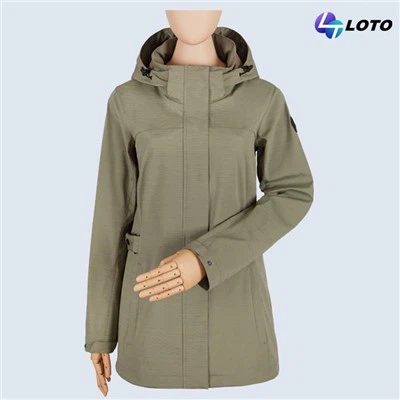
Introduction: How to Choose the Best Clothes to Wear in Winter
Winter brings not only plunging temperatures but also the critical need for reliable, high-quality clothing solutions. Choosing the best clothes to wear in winter isn't just about style-it's about ensuring warmth, comfort, and performance in even the harshest conditions.
At Hebei Loto Garment, we specialize in custom-manufactured winter outerwear, delivering tailored solutions for brands and wholesalers seeking exceptional quality and durability. From advanced insulation to expert construction, our focus is on providing professional outerwear manufacturing that meets your exact specifications.
In this comprehensive guide, we'll explore winter clothing essentials, including the 3-layer rule for winter, the differences between sweaters and jackets, and the best fabrics for winter clothing. We'll also share practical tips on what to wear in winter, what not to wear, and how to help your customers stay warm in extreme cold.
Whether you're designing a new winter collection or sourcing custom winter jackets, understanding these principles will help you offer superior value and performance. Let's dive in and discover how to create the perfect winter outfit-from warm winter outfits to professional-grade outerwear built to last.
Winter Clothing Essentials – Types of Clothes and the 3-Layer Rule
Staying warm in winter starts with understanding the fundamentals of winter clothing. From high-performance fabrics to strategic layering, knowing what works (and why) is essential for designing or sourcing best-in-class winter outerwear.
Below, we'll break down the best types of winter clothing, practical advice on what to wear in winter, and the proven 3-layer rule that professionals rely on in harsh conditions.
Which Type of Clothing Is Best for Winter?
When it comes to the best clothes to wear in winter, the choice of fabric and construction is critical. High-quality winter clothing prioritizes insulation, moisture management, and durability-key to keeping the wearer warm and comfortable in low temperatures.
Recommended types of winter clothing include:
Insulated Jackets and Parkas:
Featuring down or synthetic insulation to trap heat.
01
Waterproof and Windproof Shells:
Protect against wind chill and wet conditions.
02
Softshell Jackets:
Provide breathability with moderate weather resistance.
03
Thermal Base Layers:
Regulate body heat and wick moisture away from the skin.
04
Fleece or Wool Mid-Layers:
Add insulation without excessive bulk.
05
Merino Wool:
Excellent insulation and moisture-wicking.
Down:
Superior warmth-to-weight ratio.
Synthetic Insulation:
Retains warmth even when wet.
Technical Shell Fabrics:
Waterproof, windproof, breathable membranes.
By choosing the right type of clothing and materials, brands can deliver high-performance winter outerwear tailored to their customers' needs.
What Should You Wear in the Winter?
The question of what to wear in winter goes beyond picking a single jacket. A well-designed winter outfit works as a system. Each layer serves a purpose to manage heat, moisture, and weather exposure.
Essential winter clothing items include:
Base Layers:
- Moisture-wicking thermal tops and bottoms.
- Materials like merino wool or synthetic blends.
01
Mid-Layers:
- Fleece jackets, wool sweaters, or insulated vests.
- Provide bulk insulation while allowing moisture to escape.
02
Outerwear:
- Insulated jackets, waterproof shells, parkas.
- Designed for windproof and waterproof protection.
03
Accessories:
- Insulated gloves, scarves, hats, balaclavas.
- Insulated and waterproof boots with thermal socks.
04
At Hebei Loto Garment, we understand the value of creating custom-manufactured winter outerwear that combines these elements. Our manufacturing services allow brands to specify insulation types, fabrics, and construction features to meet the unique demands of their target markets.
The 3-Layer Rule for Winter: How to Layer Clothes for Maximum Warmth
One of the most effective strategies for winter dressing is the 3-layer rule, a system trusted by outdoor professionals, winter sports enthusiasts, and brands developing premium winter outerwear.
What is the 3-layer rule?
It divides the outfit into three functional layers:

Base Layer:
Sits next to the skin.
Wicks sweat away to keep the body dry.
Examples: merino wool thermals, synthetic base layers.

Mid Layer:
Provides insulation by trapping body heat.
Often fleece, wool, or lightweight insulated jackets.
Breathable to prevent overheating.

Outer Layer (Shell):
Shields against wind, rain, and snow.
Waterproof and windproof materials.
May include down or synthetic insulation in colder conditions.
Benefits of the 3-layer system:
✅ Adaptable: Layers can be added or removed to match conditions.
✅ Efficient: Balances heat retention with moisture management.
✅ Professional-Grade Protection: Essential for outdoor workers, athletes, and travelers in harsh climates.
As a professional outerwear manufacturer, Hebei Loto Garment helps clients design products that follow the 3-layer principle-whether it's crafting high-performance shells or premium insulated jackets that integrate seamlessly into customers' layering systems.
Optimizing Your Winter Outfit – Warmest Clothing and Outerwear Choices
Once you understand winter clothing essentials and the 3-layer rule, the next step is selecting the right garments to deliver maximum warmth, comfort, and versatility.
For brands and wholesalers developing winter collections, offering the best clothes for winter means balancing insulation, weather protection, and customer expectations for style and performance.
Below, we'll address two common questions buyers ask: Is a sweater or jacket better for winter? and What clothing keeps you the warmest?
Sweater vs. Jacket – Which Keeps You Warmer in Winter?
When designing or sourcing winter garments, it's important to understand the role of both sweaters and jackets in a layered system.
Sweater:
Typically a mid-layer.
01
Provides insulation by trapping body heat.
02
Common materials: wool, fleece, cashmere, synthetic blends.
03
Advantages: Breathable, comfortable, easy to layer.
04
Best for: Moderate cold, indoor-to-outdoor transitions, layering under shells.
05
Jacket:
Functions as an outer layer or insulated mid/outer combo.
01
Designed to protect against wind, rain, snow.
02
Can feature insulation (down or synthetic) for extra warmth.
03
May include waterproof, windproof membranes.
04
Best for: Harsh winter conditions, outdoor work, extended exposure.
05
It's not "either/or"-it's both. Sweaters excel as mid-layers, while jackets complete the system by adding weather protection and insulation.
For brands, offering well-designed sweaters and jackets enables customers to build complete, effective winter outfits.
At Hebei Loto Garment, we support clients in manufacturing both categories, customizing insulation types, fabric weights, and construction details to suit different climate needs and market segments.

What Clothing Keeps You the Warmest? Top Fabrics and Insulation
Clients often ask, "What clothing keeps you the warmest?" The answer lies in material selection, insulation quality, and design features that work together to trap heat and block the cold.
Top options for maximum warmth:
Down-Insulated Jackets and Parkas:
- Superior warmth-to-weight ratio.
- Ideal for extremely cold, dry climates.
- Compressible and lightweight.
- Customizable fill power for different markets.
01
Synthetic-Insulated Outerwear:
- Retains warmth even when wet.
- Excellent for damp or variable climates.
- Durable, easy to care for.
02
Wool Mid-Layers and Sweaters:
- Natural insulation with moisture management.
- Breathable yet warm.
- Long-lasting quality.
03
Technical Shells with Insulation:
- Combine weather protection with built-in warmth.
- Windproof and waterproof membranes.
- Customizable features: taped seams, storm hoods, adjustable cuffs.
04
Accessories matter too:
- Insulated gloves and mittens.
- Thermal socks.
- Hats, scarves, balaclavas for head and neck coverage.
05
The warmest clothing solutions come from smart design choices-pairing premium insulation with professional outerwear manufacturing techniques that maximize performance in real-world conditions.
Hebei Loto Garment partners with clients to develop custom-manufactured winter outerwear tailored to specific market needs, ensuring customers stay warm, comfortable, and protected-even in extreme cold.

Common Winter Clothing Mistakes to Avoid
Even with access to high-quality materials and advanced manufacturing, it's easy for end customers to make critical mistakes when choosing what to wear in winter.
As a professional outerwear manufacturer, it's essential to understand-and help your customers understand-what not to wear during winter to ensure maximum comfort, safety, and satisfaction.
Here's a closer look at common errors and how smart product design can help avoid them.

What Not to Wear During Winter – Common Mistakes That Make You Colder
Cotton Layers
- Cotton absorbs and holds moisture (sweat, melting snow).
- Wet cotton loses all insulating power, leaving the wearer cold.
- Base layers should use moisture-wicking synthetics or merino wool instead.
✅Pro tip for brands: Offer base layers with performance fabrics designed for winter use.
01
Ill-Fitting Clothing
- Clothes that are too tight can restrict blood flow, actually making people colder.
- Clothes that are too loose may create drafts and reduce heat retention.
✅ Design tip: Create ergonomic fits with adjustability (drawcords, Velcro, elastic cuffs) to trap heat effectively without restricting movement.
02
Skipping Layers
- Many customers rely on a single heavy coat instead of layering.
- Without base and mid-layers, sweat can't escape and chill the body.
- The 3-layer rule ensures effective temperature regulation.
✅ Manufacturing insight: Design outerwear that's roomy enough for layering but well-shaped to avoid bulk.
03
Inadequate Weather Protection
- Fashion-only jackets without windproof or waterproof features fail in harsh conditions.
- Customers exposed to wind and wet snow quickly lose body heat.
✅ Professional solution: Integrate advanced shell materials, seam taping, storm flaps, and adjustable hoods for superior protection.
04
Ignoring Extremities
- Heat loss from the head, hands, and feet is often underestimated.
- Without hats, scarves, gloves, and thermal socks, even the best jacket won't keep someone fully warm.
✅ Product development opportunity: Offer coordinated winter accessories that complete a full protective system.
05

Supporting Your Customers with Quality Design
Avoiding these mistakes starts with smart product design and high-quality manufacturing.
At Hebei Loto Garment, we work with brands and wholesalers to develop custom-manufactured winter outerwear that:
✅ Uses performance-tested materials.
✅ Supports proper layering.
✅ Offers reliable weather protection.
✅ Includes ergonomic, adjustable fits.
✅ Complements core outerwear with matching accessories.
By helping your customers avoid these common pitfalls, you can strengthen your brand's reputation for delivering professional-grade, reliable winter clothing that keeps people warm and comfortable no matter how severe the weather.

Conclusion: Delivering the Best Winter Clothing Solutions Through Professional Manufacturing
Choosing the best clothes to wear in winter is about more than just selecting a stylish coat. It's a deliberate approach that combines smart layering, high-quality materials, and expert design to keep people warm, dry, and comfortable in even the harshest conditions.
At Hebei Loto Garment, we're proud to support brands, wholesalers, and private label businesses with professional outerwear manufacturing services. From custom winter jackets to complete layering systems and accessories, we help you deliver winter clothing that truly performs.
one-stop solution
professional team
high quality
Ready to develop your next winter collection?
Contact us today to discuss your custom manufacturing needs and discover how we can help bring your vision to life.