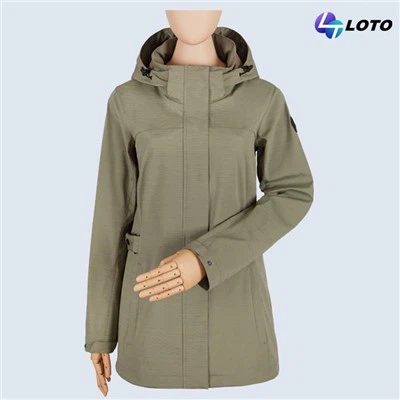
Insulation in ski jackets is crucial for keeping skiers warm and comfortable in cold conditions. Here are the different types of insulation commonly used in ski jackets:

Down Insulation:
Description: Down insulation is made from the soft, fluffy feathers found under the tougher exterior feathers of ducks or geese. It's known for its excellent warmth-to-weight ratio.
Advantages: It's incredibly lightweight and compressible, making it ideal for packing. Down also provides exceptional warmth and is breathable.
Disadvantages: Its major drawback is its performance when wet – it loses much of its insulating properties and takes a long time to dry.

Synthetic Insulation:
Description: This insulation is made from various types of polyester fibers designed to mimic the qualities of down. Common brands include PrimaLoft and Thinsulate.
Advantages: It performs better than down when wet, retaining most of its insulating properties. It's also generally more affordable and is hypoallergenic.
Disadvantages: Synthetic insulation is heavier and less compressible than down. It also tends to have a shorter lifespan, as the fibers break down more quickly over time.

Wool Insulation:
Description: Wool, particularly merino wool, is sometimes used in ski jackets for insulation. It's a natural fiber known for its temperature-regulating properties.
Advantages: Wool is breathable, odor-resistant, and offers good insulation even when wet. It's also a sustainable choice.
Disadvantages: Wool-insulated jackets might be heavier and less compressible. They can also be more expensive and require more care in cleaning.
Insulated Liners:
Description: Some ski jackets come with removable insulated liners, often made of fleece or a synthetic material.
Advantages: These liners offer versatility – the jacket can be adapted for different weather conditions. The liners are also usually machine washable and easy to care for.
Disadvantages: The overall insulation might be less effective compared to integrated insulation systems. Also, having multiple layers can add bulk.
Hybrid Insulation:
Description: Hybrid insulated jackets combine different materials, like down and synthetic fibers, strategically placed for optimal warmth and performance.
Advantages: This approach maximizes the benefits of each material type, like placing synthetic insulation in areas prone to moisture and down in areas requiring more warmth.
Disadvantages: Hybrid jackets can be more expensive due to the complexity of their design and the use of multiple materials.
Reflective Technology:
Description: Some modern ski jackets incorporate reflective technology, using materials that reflect body heat back towards the wearer.
Advantages: This technology enhances heat retention without additional bulk or weight.
Disadvantages: Jackets with reflective technology may not be as breathable, and the effectiveness can vary based on the technology used.
Each type of insulation has its own set of pros and cons, and the choice often depends on specific needs such as warmth, weather conditions, and personal preferences like weight and compressibility. Manufacturers often balance these factors to create ski jackets that cater to a wide range of skiers.