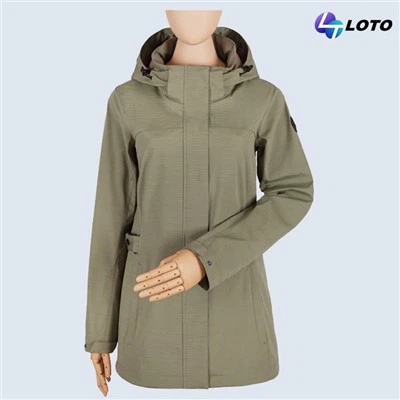
As the scorching summer approaches, the transfer printing technique we employ in our garment production faces certain challenges. Transfer printing is a popular apparel decoration method, often used to create logos with text, images, and vibrant designs. The process involves designing the print on a special plastic surface and applying an adhesive layer to the back. This adhesive melts when heated, and typically, we use a heat press to transfer the print onto the desired location on the fabric.
However, during the hot summer months, these prints tend to stick together, posing a significant challenge in maintaining print quality. To effectively prevent this stickiness and protect our prints, we've adopted several precautionary measures.
Firstly, it's crucial to store the prints in a shaded, cool area away from direct sunlight, helping reduce the adhesive's melting and sticking due to high temperatures. Additionally, to further prevent prints from sticking to each other, we place anti-stick parchment paper between each print.
Furthermore, we advise cutting the prints as needed during application, refraining from cutting too many at once. This ensures the clarity and integrity of each print. Prints should also be stored flat, not stacked, to minimize the chances of them sticking together. It's worth noting that once the parchment paper placed between the prints is used, it should not be immediately removed but only taken away when certain it's no longer needed.
By following these simple yet effective strategies, we can successfully prevent print stickiness during the hot summer months, ensuring a smooth production process and a high-quality end product. We hope this insight proves helpful to our peers, and let's tackle the challenges of summer print production together!