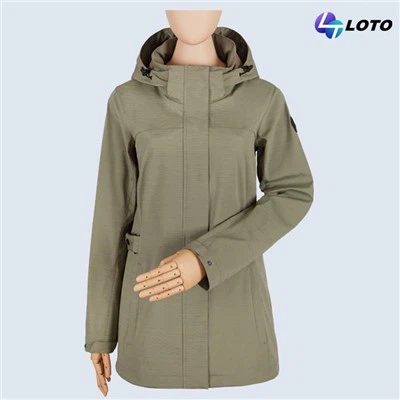
Winter jackets come in a variety of styles, each designed to handle specific conditions. Here are some common types of winter jackets:
Insulated Jackets: These are the most common type of winter jackets. They provide excellent warmth via synthetic or down insulation. Down provides excellent warmth-to-weight ratio and packability but isn't ideal when wet. Synthetic insulation is less warm but maintains insulating properties even when wet.

Parkas: Parkas are long winter coats that typically extend to the thigh or below, providing extra protection to your lower body. They often have a hood and are heavily insulated, making them perfect for very cold conditions.
Puffer Jackets: These jackets, also known as quilted jackets, are filled with down or synthetic fibers, and have a distinctive "puffy" appearance. They're very warm and lightweight, and many are compressible for easy packing.
Shell Jackets: Shell jackets are usually waterproof and windproof, providing protection from the elements. However, they're not heavily insulated, so they're best used with a layered system in cold weather.
Softshell Jackets: Softshell jackets are made from stretchy, breathable materials. They're water-resistant and wind-resistant, rather than fully waterproof or windproof. They're ideal for active pursuits where breathability and mobility are important.

Pea Coats: These are thick, short, double-breasted jackets traditionally made from heavy wool. Pea coats are more about style than function, but the heavy wool can provide decent warmth.
Duffle Coats: Duffle coats are made from duffle, a type of coarse, thick woolen cloth. They are characterized by their hood and toggle fastenings.
Ski Jackets: Ski jackets are designed for snow sports, so they're warm, waterproof, and breathable. They usually have snow-specific features like a powder skirt, pass pocket, and a more durable outer fabric to withstand falls or abrasion from equipment.
3-in-1 Jackets: These jackets include a waterproof outer shell and an insulating inner layer, which can be worn separately or together, making them versatile for a range of conditions.
Remember, it's important to choose a winter jacket that's suitable for the specific activities and conditions you'll be encountering. Consider the expected temperature, precipitation, wind, and your level of activity when choosing a jacket.