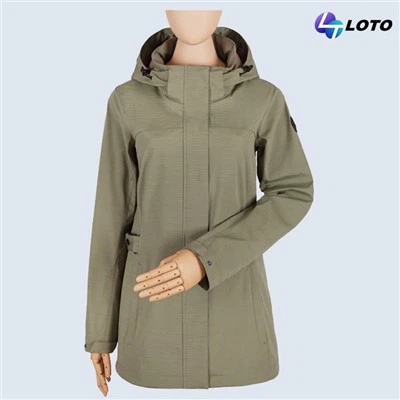
As a retailer or wholesaler, you can't afford to ignore the outdoor clothing market. It's set to grow at a rate of 5.5% CAGR between now and 2030, thanks to increasing consumer interest in outdoor pursuits such as hiking, camping, and skiing. Some of those new outdoor enthusiasts will discover that normal clothes are not up to the job of keeping them warm, dry, and comfortable when they're out of doors. That's when they will invest in proper outdoor gear, and hiking pants will be one of the top items on their lists.

How Hiking Pants Protect Walkers
The main reason why hiking pants are a product that walkers want is the additional protection they offer against the elements compared to everyday jeans, sweatpants, shorts, and leggings. Good quality hiking pants provide physical protection for the wearer against things like the sun, biting insects, and ticks. They also protect against cuts or scrapes from thorny bushes, twigs, rocks, or similar hazards.
Then there's the weather. Go for a hike in a pair of jeans during a rainstorm and you'll come back weighing twice as much because denim becomes waterlogged quickly, which, apart from being uncomfortable leads to rapid heat loss, and this is not ideal for anyone when they're halfway into a five-hour mountain trek. Hiking pants don't have that problem because they can be manufactured from lightweight, breathable fabrics that are water-resistant or waterproof, so they shed water while allowing sweat to escape.

Comfort and Mobility: The Ergonomics of Hiking Pants
Hiking pants often come with practical features like spacious pockets for holding essentials (snacks, lip balm, sunscreen, maps, compass, etc.) and convertible designs so that they can easily be changed into shorts during warmer conditions.

They're usually made from a combination of nylon and elastane, for stretchiness and durability. Some pants are made from 90% recycled nylon and 10% double-weaved elastane (sometimes known by the brand name, Spandex), with a durable water-repellent (DWR) finish. This is not fully waterproof, but it will repel light rain enough to maintain breathability.
In terms of fit, hiking pants should be relatively form-fitting, but not restrictive. A pair that is too baggy can be heavier, flap in the wind, and get caught on trailside brush. In terms of mobility, the best features are a gusseted crotch (a fabric strip that adds roominess and cuts down stress on the garment) and articulated knees (the fabric is cut to match the shape of a bending leg) to offer flexibility and protection when scrambling on rocks, hiking, and running.
Practical Features: Pockets, Zippers, and More
These men's hiking pants shown below feature a stretchy softshell fabric that offers excellent wind and water resistance. Internally there's a soft-knit mesh that helps to move moisture and the knees are pre-shaped for ample mobility. The front pockets come with waterproof YKK zips to keep any items stored in them nice and dry, and the elasticated drawcords at the ankles give wearers the flexibility to hitch them up higher for extra calf freedom during the summer, or tighten them at the ankles when the mercury drops. The shell fabric is 94% polyester with 6% elastane woven in, and the internal mesh is 300 gsm polyester. It's been tested as waterproof to 8000 ISO and breathable to 3000 ASTM.


Hiking Pants vs. Regular Pants: A Comparative Analysis
Good hiking pants are very light, thin, and highly breathable compared to a regular pair of jeans or track pants. Some offer Velcro tabs on the waist and cuffs for adjustability while others have reinforced panels over high-use areas for extra durability.
Regular pants might sometimes come with adjustable cuffs and waists, but where they fall down tends to be on their windproofing and waterproofing qualities. The fabric is usually untreated which means it takes on moisture, loses any breathability it may have had, and quickly becomes cold, heavy, and uncomfortable. And if you want to dry regular pants out, cotton is going to take a long time, whereas decent hiking pants are designed to dry out much more quickly.

This pair of men's hiking trousers features an extra fabric layer to provide wind protection, and the outer polyester shell is made of ripstop pongee, which is a special variety of rugged weaving that makes it extra durable. Regular pants tend to be made of cotton, with no extra padding or protection, and they don't have the taped seams for waterproof protection that these trousers offer.
How Hiking Pants Can Enhance Performance on the Trail
Although we said that a loose fit is usually best, tighter pants may suit those going off-trail for a bit of scrambling or bouldering, where the additional compression on the legs can help to improve blood and oxygen flow. This is good news for those with anything to climb as it can help to increase their endurance and reduce muscle fatigue. Tighter pants are also a good choice when hiking through undergrowth as loose ones are more likely to get snagged.
For those wearing regular hiking pants like these:

The performance benefits the wearer gets from them over regular pants tend to become apparent after the first few miles. This level of comfort and protection makes hiking easier and more enjoyable.
Choosing the Right Hiking Pants: Tips for Retailers and Distributors
As you will have noticed from the pictures, LotoGarment's hiking pants are good-looking. You're always likely to see better sales when you go with nice designs like these. Look for practical features too, like reflective strips for visibility, and adjustable leg cuffs that can accommodate boots.

Conclusion: Investing in Quality Hiking Pants with LotoGarment
We feel confident saying 'investing' because we are committed to quality, which means great contemporary designs, top-quality craftsmanship, customization capabilities, packing orders to your requirements, meeting high ethical manufacturing standards, great customer service, and more. Get in touch today and we'll be happy to help you get started with ordering the right hiking pants for you.