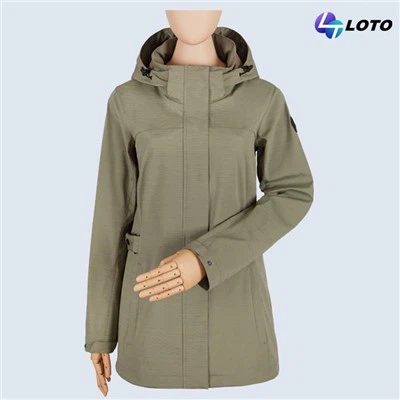
Generally, you don't wear down jackets inside ski suits, but only thick bottomed clothes. The outer material of ski clothes is wear-resistant, tear proof and wind proof. Nylon or tear proof cloth with wind proof surface is better. The inner thermal insulation material of ski clothes should be hollow cotton or DuPont cotton to provide good thermal insulation conditions for skiers to take the cable car. Ski clothes are used by skiers to store personal items such as ski glasses, gloves, mobile phones, etc. There are many pockets on the ski suit, which can open your mouth and let the skier wear gloves to carry things. The opening of the zipper is basically sealed to prevent loss during movement.
When skiing, it is usually unwise to choose cotton underwear to keep it close to your body. Cotton products have good absorption, so when the human body is in motion, cotton products will absorb human sweat. When the human body is at rest, the sweat of cotton products is difficult to evaporate in a short time. Cotton underwear is cold and wet to the skin, which will take away the heat from the skin surface, making people feel cold and easy to catch a cold. So you can wear nylon vest with net on your body and elastic cotton vest outside. Then, the sweat of the body is absorbed by the elastic vest through the nylon vest, and you won't feel cold.
Do you think 100% wool is good? The answer is No. Skiing is really warm in the middle layer. There are more wool materials on the market, also known as wool and wool clothing. It is characterized by lightness, softness and good heat preservation. Sweating needs to be kept secret. Humidity has a great influence on the thermal insulation ability of clothing, so the thermal insulation ability and drying speed of the insulation layer under wet conditions are important factors in selecting the insulation layer. Generally speaking, flannel is brightly colored, which can be worn alone in winter, and can also be used as a warm filler for the inner layer.