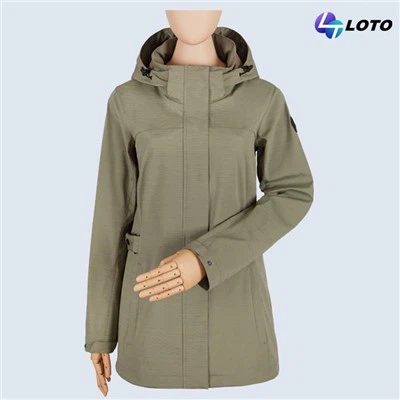
As global clothing brands navigate the seasonal product development cycle, establishing a resilient and technically competent manufacturing pipeline remains critical to maintaining retail margins and inventory stability. Outerwear production, unlike basic knitwear, demands rigorous technical engineering, precise fabric lamination, and strict adherence to international safety parameters. Selecting the right custom jacket manufacturer is a pivotal supply chain decision that influences a brand's market positioning and operational efficiency.
In the current sourcing landscape, sourcing executives face multi-layered challenges, including volatile raw material costs and evolving global tariff frameworks. A qualified apparel partner must function beyond a standard cut-and-sew facility; they must provide comprehensive design verification (ODM), raw material traceability, and multi-country production routing to mitigate supply chain disruption.
This comparative analysis provides an objective evaluation of the industry's leading jacket manufacturers for clothing brands. By analyzing structural infrastructure, minimum order thresholds (MOQs), and compliance certifications, this matrix serves as a factual reference guide for procurement departments finalizing their seasonal outerwear vendor shortlists.
Evaluation Criteria: How We Vetted These Factories
Not every apparel production facility possesses the specialized infrastructure or engineering capabilities required to handle complex technical outerwear. To ensure this matrix serves as a reliable institutional guide, our vetting process bypasses subjective marketing claims and focuses exclusively on quantifiable industrial benchmarks. Every manufacturer included in this list has been evaluated against five core technical metrics.
- 1. Technical Infrastructure & Machinery: Outerwear manufacturing demands specialized equipment beyond standard lockstitch machines. Factories must demonstrate the integration of computerized CNC automated quilting machinery (to eliminate fiber migration in insulated garments) and hot-air seam sealing equipment necessary to achieve verifiable hydrostatic waterproof ratings.
- 2. Global Compliance & Certifications: To meet international retail gatekeeping laws, facilities must maintain active third-party audits. Key benchmarks include amfori BSCI social compliance verification, the Global Recycled Standard (GRS) for material traceability, and OEKO-TEX Standard 100 toxicity thresholds.

- 3. Supply Chain Resilience & Routing Strategy: Given the evolving international tariff landscapes, geographic centralization poses a structural commercial risk. Factories with diversified production hubs capable of shifting routing between regions to achieve optimal duty structures are prioritized for volume contracts.
- 4. Standardized Quality Gatekeeping: Adherence to international quality inspection frameworks is non-negotiable. Our selection favors entities operating under explicit ISO 2859-1 (AQL 2.5 Major / 4.0 Minor) sampling standards, backed by mandatory 100% automated conveyorized ferrous needle gatekeeping to eliminate metal contamination before export.
- 5. Minimum Order Quantity (MOQ) Parameters: We evaluate the transparency of minimum order thresholds. Factories are assessed on how effectively their production minimums align with commercial raw material sourcing constraints, balancing accessibility for growing labels with the cost-efficiencies required by large-scale enterprise retail lines.
By synthesizing these five metrics, procurement departments can better assess a vendor's ability to maintain consistency during peak product development windows. For a detailed overview of corresponding fabric matrices and production capacities, you can reference the comprehensive technical outerwear manufacturing catalog.
Top 10 Custom Jacket Manufacturers for Global Clothing Brands
Based on infrastructure data, certification compliance, and operational capacity, the following manufacturers represent established entities within the global outerwear supply chain. Procurement departments should align their specific volume metrics and technical design requirements with each factory's distinct specialization.
1. Oasis Jackets - Best for Ready-Made Catalog Diversity
Oasis Jackets operates as a high-volume commercial supplier with an extensive ready-to-customize apparel catalog. Their operational framework is optimized for private label brands and promotional distribution networks requiring rapid deployment of standardized patterns.
- Primary Specialization: Casual streetwear, denim jackets, fleece pullovers, and promotional outerwear.
- Minimum Order Quantity (MOQ): Accessible parameters tailored for bulk wholesale procurement.
- Logistics Focus: Global shipping infrastructure supporting multi-market distribution networks.
2. Thygesen Textile Vietnam - Best for High-Volume LEAN Mass Production
Utilizing a highly structured LEAN manufacturing model, Thygesen Textile Vietnam is engineered for large-scale enterprise garment production. The company holds an extensive matrix of international compliance credentials, making it suitable for brands with strict ethical gatekeeping protocols.
- Primary Specialization: Activewear jackets, structured casual knitwear, and technical base layers.
- Core Certifications: SA8000, WRAP, ISO 9001, and OEKO-TEX Standard 100.
- Minimum Order Quantity (MOQ): Standard threshold typically set at 3,000 pieces per design, optimized for continuous fabric mill routing.
3. Loto Garment - Best for Technical Outerwear and Multi-Country Supply Routing
Loto Garment operates as a specialized technical outerwear manufacturer with a built-in infrastructure for complete OEM and ODM execution. The group addresses modern geopolitical and tariff exposure by deploying a resilient manufacturing footprint across China, Bangladesh, and Africa.

- Primary Specialization: Performance ski wear (up to 20,000mm waterproof ratings), technical windbreakers, and GRS-certified sustainable padded jackets.
- Industrial Capacity: Over 3 million technical garments annually, backed by independent pattern development desks and laser-cutting technology.
- Minimum Order Quantity (MOQ): Standard 1,000 pieces per style, structured to support material batch traceability and optimized factory line calibration.
- Technical Resource: Sourcing managers evaluating construction parameters can access the official technical apparel directory for material cross-referencing.
4. Zega Apparel - Best for Turnkey Private Label Startup Scaling
Zega Apparel provides a vertically integrated manufacturing platform that consolidates fabric sourcing with end-to-end cut-and-sew services. Their operational layout is tailored toward contemporary fashion brands requiring structured turnarounds on low-to-medium volume orders.
- Primary Specialization: Contemporary fashion outerwear, streetwear hoodies, and custom embroidered lifestyle jackets.
- Production Turnaround: Offers accelerated sample processing windows ranging between 7 to 10 working days.
- Minimum Order Quantity (MOQ): Flexible 200-unit parameters per style/colorway, lowering initial market entry barriers.
5. Steve Apparel - Best for Low-MOQ Startup Development
Steve Apparel caters primarily to emerging labels and independent designers looking to minimize initial inventory risks. Operating production lines that support low-volume orders, they provide foundational custom apparel options alongside specialized graphics integration.
- Primary Specialization: Streetwear outerwear, basic custom hoodies, and casual fleece jackets.
- Minimum Order Quantity (MOQ): Low-threshold parameters starting at 50 pieces per style.
- Core Services: Screen printing, custom embroidery, and basic cut-and-sew pattern executions.
6. Affix Apparel - Best for Turnkey Private Label Full-Lifecycle Management
Based in the United States, Affix Apparel manages full-lifecycle garment production from raw material sourcing to retail-ready packaging. Their logistics setup is designed to assist contemporary retail brands looking to streamline domestic distribution.
- Primary Specialization: Lightweight custom jackets, custom denim jackets, and structured uniforms.
- Production Lead Times: Standard bulk manufacturing cycles ranging between 4 to 8 weeks.
- Minimum Order Quantity (MOQ): Accessible entry thresholds at 50 units per design.
7. Royal Apparel - Best for Domestic Eco-Friendly Material Integration
Operating with a focus on sustainable material integration, Royal Apparel utilizes organic cotton, bamboo matrices, and recycled polyester blends. Their manufacturing framework aligns with brands emphasizing environmental compliance and domestic supply paths.
- Primary Specialization: Eco-friendly light outerwear, premium organic cotton pullovers, and sustainable basics.
- Regulatory Standards: Enforces certified sweatshop-free production and strict FTC textile labeling compliance.
- Geographic Alignment: USA-based manufacturing facilities optimizing fast-turn domestic logistics.
8. Nofal Apparel - Best for Team Athletic Wear and Flexible Wholesale Scaling
Nofal Apparel serves a dual market of independent retail labels and institutional athletic organizations. Their factories are optimized for consistent sizing metrics and high-durability stitching configurations required by repetitive-use garments.
- Primary Specialization: Tracksuits, athletic training jackets, windbreakers, and team sports outerwear.
- Production Cycles: Standard bulk turnaround executed within 5 to 7 weeks post-prototype confirmation.
- Minimum Order Quantity (MOQ): Flexible parameters starting at 50 pieces per custom specification.
9. Valtin Apparel - Best for Structured Performance Sport Shells
Located in Quanzhou's textile manufacturing cluster, Valtin Apparel focuses on performance-oriented outerwear construction involving functional materials. Their technical lines are configured for brands requiring specialized down-fill procedures and pattern engineering.
- Primary Specialization: Technical bomber jackets, performance windbreakers, nylon ripstop shells, and structured puffer jackets.
- Operational Metrics: Prototype development spans 7 to 15 days; bulk manufacturing runs average 38 days.
- Minimum Order Quantity (MOQ): Ranges between 100 to 300 pieces depending on fabric complexity.
10. Hapa Garments - Best for Specialized Premium Kids' Outerwear
Operating from Guangzhou's manufacturing hub, Hapa Garments specializes in children's outerwear lines and family-matching capsule collections. Their infrastructure focuses heavily on international safety testing protocols required for young-demographic apparel distribution.
- Primary Specialization: Children's insulated jackets, organic cotton family apparel sets, and baby outerwear.
- Safety Compliance: Enforces mandatory compliance with CPSIA (Consumer Product Safety Improvement Act) and CPC parameters.
- Material Focus: Pima cotton, bamboo blends, and nontoxic certified accessory trims.
Production Models Deconstructed: OEM vs. ODM vs. Private Label
Selecting the appropriate operational framework dictates a clothing brand's capital expenditure, design autonomy, and velocity to market. Sourcing departments must align their internal design assets and inventory risk thresholds with the correct manufacturing classification.
According to standard international trade parameters regulated by bodies such as the International Organization for Standardization (ISO), apparel manufacturing is structurally divided into three methodologies. Understanding these distinctions prevents operational misalignment during peak procurement seasons.
| Manufacturing Model | Customization Control | Development Timelines | Optimal Asset Allocation | Minimum Order Threshold |
|---|---|---|---|---|
| Private Label | Low (Relabeling and branding pre-existing generic blank stock catalog) | Rapid (Immediate dispatch of standard warehouse inventory) | Startups seeking rapid market entry with low structural development budgets | Typically low (50–100 pieces depending on fabric inventory availability) |
| OEM (Original Equipment) | Absolute creative liberty (Garment is constructed entirely from proprietary tech packs) | Extended (Requires iterative prototyping, material lab dips, and line testing) | Established retailers with dedicated in-house technical design teams | High thresholds (Typically 1,000+ pieces to satisfy fabric mill dye runs) |
| ODM (Original Design) | Medium to High (Selecting factory-engineered styles with custom modification options) | Accelerated (Leverages factory-tested, reliable pattern blocks) | Brands focusing capital on marketing while outsourcing fabric R&D | Medium thresholds (Balances raw material deployment with machine setup costs) |
For premium outerwear brands, balancing full creative control with accelerated market entry can be optimized by reviewing a factory's proprietary pattern database. Procurement directors can evaluate how these distinct OEM and ODM production workflows are executed within a fully certified enterprise facility to match volume deployment parameters.
The Technical Custom Jacket Production Process: From Concept to Delivery
Mitigating execution errors during bulk manufacturing requires a highly synchronized operational sequence. For complex outerwear, assuming design specifications can be interpreted without rigorous validation frequently results in production delays. A standardized industrial workflow consists of six critical phases.
Step 1: Tech Pack Execution and Digital Blueprinting
The process initiates with the translation of 2D flat sketches or physical reference garments into a comprehensive technical package (Tech Pack). Factory pattern engineers utilize CAD systems to establish localized measurement grading charts, seam allowances, and initial marker layouts.
Step 2: Technical Fabric Sourcing and Lab Dips
Raw materials are routed to specialized textile mills for execution. Shell fabrics undergo functional treatments (such as hydrophobic coatings or TPU laminations to secure windproof and waterproof barriers). Color matching is locked via standardized lab dips evaluated under controlled D65 illuminants to eliminate metamerism.
Step 3: Proto-Sample Validation and Physical Testing
A physical counter-sample is constructed using the initial component batch. This prototype undergoes rigorous structural evaluation on standard fit forms to verify armhole articulation and stress-point reinforcement. Concurrently, material panels are subjected to industrial laundering tests governed by AATCC testing methods to evaluate dimensional stability, fabric shrinkage, and colorfastness.

Step 4: Pre-Production (PP) Meeting and Milestone Alignment
Prior to bulk fabric cutting, a definitive Pre-Production sample is finalized, locking down all branding hardware, care labels, and trim configurations. Production managers, quality inspectors, and line supervisors align milestones covering cutting completion, inline sealing windows, and final packing schedules.
Step 5: Bulk Manufacturing and Inline Quality Control
Bulk rolls travel through computerized fabric spreading and precise laser cutting. Assembly lines deploy specialized machinery, where inline QA teams perform continuous checking of seam tensile strength and hot-air welding integrity.
Step 6: Final Inspection and Logistics Routing
Finished garments pass through a mandatory 100% automated conveyorized needle detector terminal to eliminate ferrous contamination risks. Random static audits are then executed following strict AQL 2.5 parameters before cartons are secured and dispatched via optimized multi-country transport routes.
Understanding this operational trajectory allows apparel brands to accurately calculate seasonal lead times and avoid inventory bottlenecking. For technical support on establishing your proprietary manufacturing timeline, procurement departments can directly engage our OEM/ODM technical advisory team.
Conclusion & Strategic Sourcing Action Plan
Selecting an optimal outerwear manufacturing partner requires balancing immediate cost parameters against long-term technical proficiency and geographical resilience. As demonstrated across this evaluation matrix, the market provides distinct operational layouts ranging from low-threshold private label services to enterprise-scale OEM/ODM industrial networks.
To mitigate commercial and compliance risks during peak development seasons, procurement departments should execute a standardized onboarding protocol prior to finalizing volume contracts:
- • Comprehensive Tech Pack Audit: Ensure all localized measurement charts, seam tolerances, and structural lamination specifications are finalized digitally before initial prototype routing.
- • Physical Lamination & Waterproof Validation: Request verified hydrostatic testing data for functional shell fabrics to confirm water column resistance values align with retail performance claims.
- • Regulatory and Certification Verification: Cross-reference factory audit tracking numbers directly through official compliance portals such as the amfori Platform to ensure continuous social and chemical compliance status.
- • Tariff Routing and Logistics Risk Mapping: Map out multi-country supply paths according to modern international trade guidelines regulated by institutions like the International Chamber of Commerce (ICC) to protect bulk margins against sudden duty exposure.
Ultimately, establishing transparent communication parameters during the sampling phase determines the stability of the entire bulk production run. By aligning your brand's specific volume thresholds with a factory equipped with corresponding machinery and quality gatekeeping protocols, you secure a reliable foundation for sustainable product scaling.
Sourcing managers requiring specific technical analysis regarding automated quilting configurations, custom lamination material swatches, or diversified international factory routing data can initiate a direct inquiry with the Loto Garment technical procurement office to evaluate structural compatibility for upcoming seasonal collections.