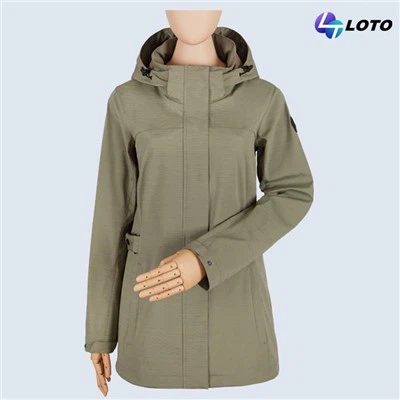
Introduction: Why Choosing the Right Waterproof Outdoor Jacket Matters
In the world of outdoor apparel, a waterproof jacket is more than just protection from rain-it's a statement of performance, comfort, and reliability. For outdoor brands, selecting or designing the right waterproof outerwear is essential to meet consumer expectations in diverse conditions, from urban commuting to alpine hiking.
Today's consumers are looking for jackets that can do more: keep them dry in sudden downpours, breathe during intense activity, and remain comfortable throughout the day. For brands, that means balancing technical functionality, material quality, and end-use design.
This guide explores the top factors to consider when evaluating or developing waterproof outdoor jackets-ensuring your products meet the demands of both your market and your brand standard.
Waterproof vs. Water-Resistant Jackets: Key Differences
One of the most common areas of confusion among customers-and even some brands-is the difference between waterproof and water-resistant jackets. Understanding this distinction is foundational when building or sourcing your outerwear collection.

These are constructed with laminated membranes or coatings (e.g. TPU, ePTFE) that completely block water penetration. They also feature:
- Fully taped seams
- Waterproof zippers
- Durable outer shells
Long-lasting performance in wet environments
Waterproof jackets are ideal for heavy rain, extended outdoor use, and active sports where staying dry is critical.
Water-Resistant Jackets
These jackets are made from tightly woven fabrics treated with DWR (Durable Water Repellent) coatings. They resist light rain or drizzle but are not suitable for prolonged exposure.
They are best suited for casual wear, urban travel, or transitional seasons, and can be offered as entry-level or budget-friendly options.
Choosing the right level of protection allows brands to target different customer segments while managing price points and product positioning.

Understanding Waterproof Jacket Materials and Membranes
The core of any waterproof jacket lies in its fabric technology. Manufacturers typically use a combination of outer fabrics and internal membranes or coatings to block water while allowing vapor to escape.
Common Waterproof Materials
- PU (Polyurethane): Cost-effective, durable, often used in mid-range jackets
- TPU (Thermoplastic Polyurethane): Flexible, breathable, and environmentally safer
- ePTFE (Expanded Polytetrafluoroethylene): Found in high-end products, highly breathable and extremely waterproof (e.g. Gore-Tex® alternatives)
Fabric Construction
Most waterproof jackets are built with 2-layer, 2.5-layer, or 3-layer construction:
2-layer: Suitable for casual wear, more affordable
2.5-layer: Lightweight, packable, good for hikers and commuters
3-layer: Offers maximum durability and performance, ideal for alpine and technical use.
Brands need to align material choice with their target activity level, price tier, and performance promise to ensure customer satisfaction and long-term product loyalty.
Breathability in Waterproof Outerwear: Finding the Balance
Waterproofing is only one part of the equation-breathability is what makes a jacket wearable during physical activity. A fully waterproof jacket that traps sweat can quickly become uncomfortable, even dangerous in cold climates.

What Is Breathability?
Breathability refers to a fabric's ability to allow water vapor (perspiration) to escape, measured in g/m²/24h. The higher the rating, the better the moisture management.
For example:
- 5,000–10,000 g/m²/24h: Suitable for light activity or casual wear
- 10,000–20,000+ g/m²/24h: Ideal for hiking, trekking, and moderate exertion
- 20,000+ g/m²/24h: Required for high-intensity use like climbing or backcountry skiing
Why It Matters
For brands, offering jackets with balanced waterproof-breathable ratings ensures comfort without compromising protection. Consider layering compatibility and ventilation features (discussed below) to further enhance usability.

Seam Sealing and Construction: What to Look For
Even the most advanced waterproof fabric won't perform well if water leaks through the seams. That's why construction details matter just as much as materials when evaluating or producing waterproof jackets.
Seam Types
- Fully Taped Seams: All seams are covered with waterproof tape; standard for performance outerwear.
- Critically Taped Seams: Only exposed areas (shoulders, hood) are taped; suitable for entry-level products.
- Welded or Bonded Seams: Heat-sealed without stitching, offering superior waterproofing and reduced bulk.
Additional Construction Features
Waterproof zippers or storm flaps
Reinforced stress points
Adjustable openings (cuffs, hem, hood) for sealing out moisture

These finishing techniques enhance the durability, performance, and perceived value of the jacket-key selling points for both retailers and end-users.
Fit, Weight, and Packability: Functional Design Considerations
Beyond technical specs, the fit and usability of a waterproof jacket determine whether it becomes a favorite or stays in the closet. For outdoor-focused brands, these ergonomic factors can elevate product satisfaction.
Fit
- Active fit: Trim cut for mobility and layering
- Relaxed fit: Roomier, great for general use or over bulky layers
- Adjustability: Hood toggles, waist cords, and cuff straps personalize fit and weather protection
Weight
- Lightweight jackets (under 500g) are favored for fastpacking, travel, and casual urban wear
- Heavier, multi-layer jackets suit alpine or winter applications
Packability
- Jackets that compress into small stuff sacks or pockets add versatility and appeal to modern outdoor users
- Ideal for travel, commuting, or emergency shell layers
When designing or selecting jackets for your line, consider your target customer's lifestyle and mobility needs-practical design equals long-term wearability and higher satisfaction.
Ventilation Features in Waterproof Jackets for Outdoor Activities
Even the most breathable membranes have limits-especially during high-output activities like hiking, biking, or skiing. That's where ventilation features become essential in a well-designed waterproof outdoor jacket.
Common Ventilation Options
- Pit Zips: Zippered underarm vents that allow quick heat release without removing the jacket.
- Back Vents: Hidden mesh-lined openings on the back for passive airflow.
- Side or Chest Vents: Strategic zippers near the chest or hips, enhancing airflow during movement.
- Two-Way Zippers: Allow venting from the bottom while keeping the jacket zipped at the top.

These additions maximize comfort and performance, especially for jackets used in variable climates or during strenuous activities. For brands, they also offer differentiation at the product feature level.
Intended Use: Matching Jacket Features to End-User Needs

Every waterproof jacket should be designed with its end-use environment in mind. Understanding the intended use helps determine the right balance of protection, weight, design, and durability.
- Urban Commuters: Lightweight, stylish, packable, with water-resistant or 2-layer waterproof fabric.
- Hikers & Backpackers: Breathable, midweight, with pit zips and packability; ideally 2.5- or 3-layer construction.
- Alpine or Snow Use: Heavy-duty waterproofing, 3-layer fabrics, reinforced seams, and helmet-compatible hoods.
- Workwear & Industrial Use: Durable face fabrics, simplified designs, and long-term wear resistance.
For brands, offering jackets by activity or climate category can improve customer satisfaction and guide consumers to the right product faster.
Custom Branding and Private Label Options for Waterproof Jackets
For businesses building their own brand, waterproof jackets offer prime real estate for logo placement, design identity, and functional storytelling.
At Hebei Loto, we support full-spectrum customization, including:
- OEM & ODM services for waterproof outerwear
- Custom fabrics, colorways, and zipper/pull options
- Logo applications: screen print, heat transfer, embroidery, or woven label
- Bespoke trims, packaging, and hangtag design
Whether you're launching a new line or scaling an existing collection, our team helps you turn waterproof technical features into market-ready products with your brand front and center.

Conclusion: Building Your Ideal Waterproof Jacket Collection
Creating a successful waterproof outerwear line requires more than just choosing the right fabric-it involves strategically combining material performance, functional features, and thoughtful design to meet the expectations of your target audience.
Whether you're developing jackets for urban use, technical mountain wear, or all-weather daily protection, the key is to align:
- Protection level (waterproof vs. water-resistant)
- Performance features (ventilation, fit, breathability)
- Design and branding (packability, style, logo placement)
At Hebei Loto, we partner with global brands to deliver waterproof jackets that don't just perform-they reflect your brand identity and satisfy the needs of your end users. From sourcing to production and customization, we help you bring your vision to market with precision and reliability.
Want to develop a waterproof jacket line that stands out? Get in touch with Hebei Loto for a tailored manufacturing solution.

FAQ:Common Questions About Waterproof Jacket Selection and Manufacturing

01.What's the difference between waterproof and water-resistant jackets?
02.How important is breathability in a waterproof jacket?
03.What kind of ventilation features should I include?
04.Which waterproof fabric construction is best?
That depends on the end use.
2-layer: for casual or urban use
2.5-layer: for light hiking or travel
3-layer: for technical, rugged, or alpine conditions
05.Can I fully customize waterproof jackets with my own branding?