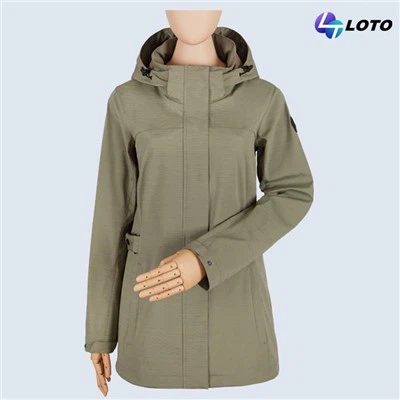
Introduction: Why Understanding Outdoor Jacket Types Matters
In today's diverse and competitive outdoor apparel market, one-size-fits-all outerwear no longer meets consumer expectations. Whether your brand serves urban commuters, alpine explorers, or weekend hikers, offering the right type of jacket for the right use case is key to product success.
Understanding the different types of outdoor jackets not only helps you design functional and appealing products-it also enables smarter inventory planning, better pricing strategies, and more targeted marketing. Each jacket type serves a distinct purpose, with variations in insulation, breathability, water resistance, and fit.
This guide offers a clear overview of the most common jacket categories in the outdoor industry, helping you identify which ones best align with your brand's identity and customer needs.
Rain Jackets: Waterproof vs. Water-Resistant

Rain jackets are one of the most essential categories in outdoor apparel, but not all rainwear is built the same. The key distinction lies in the level of weather protection.
Waterproof jackets use advanced membranes and sealed seams to completely block out rain, making them ideal for harsh weather or prolonged exposure. These jackets often feature:
- Taped or welded seams
- Waterproof zippers
- Adjustable hoods and cuffs
- Ventilation options for breathability
On the other hand, water-resistant jackets repel light moisture but are not designed for heavy or sustained rain. They're lighter, more breathable, and often more affordable-suitable for casual wear or short trips in damp conditions.
For brands, offering both waterproof and water-resistant options provides flexibility across price points and performance levels.
Insulated Jackets: Down vs. Synthetic Fill
Insulated jackets are designed to trap body heat and provide warmth in cold conditions. They fall into two main categories based on the type of insulation used: down and synthetic.
Down-insulated jackets use natural goose or duck down to offer excellent warmth-to-weight ratio and compressibility. They're ideal for dry, cold environments and appeal to consumers looking for lightweight yet high-performance cold-weather gear.
Synthetic insulated jackets, on the other hand, use polyester-based fibers to mimic the loft of down while maintaining insulation even when wet. They tend to be more affordable, dry faster, and are easier to care for, making them a practical choice for a wide range of climates and outdoor activities.
Each fill type has its advantages. Brands targeting performance or premium markets may opt for down, while those focused on value, sustainability, or versatility may prefer synthetic options.

Softshell Jackets: Comfort and Mobility for Active Conditions
Softshell jackets are engineered for versatility. They are ideal for situations where flexibility, breathability, and light weather resistance are more important than full waterproofing.
Typically made from woven stretch fabrics with a water-repellent finish, softshells offer:
- High mobility for active movement
- Moderate wind and water resistance
- Good moisture management and ventilation
- A quieter, more comfortable wear compared to stiff hardshells
These jackets are popular among hikers, cyclists, and outdoor workers who need to stay warm and mobile during physical activity. They're also favored by brands offering multi-season outerwear or layering systems.

Hardshell Jackets: Maximum Protection for Harsh Environments
When weather protection is the top priority, hardshell jackets are the clear choice. Designed with multi-layer waterproof-breathable membranes, these jackets are built to withstand wind, heavy rain, and snow while maintaining durability and performance.Core features include:
- Fully sealed seams and waterproof zippers
- Adjustable hoods, cuffs, and hemlines
- Lightweight yet protective shell fabrics
- High abrasion resistance for rugged terrain
Hardshells are a must-have in collections aimed at mountaineers, skiers, backpackers, or professionals working in extreme conditions. For B2B clients building technical outerwear lines, hardshells serve as the cornerstone product that showcases performance credibility.


Parka Jackets: Everyday Warmth with Full Coverage
Parka jackets combine style, warmth, and coverage-making them a staple for winter wear collections, especially in urban or lifestyle markets. Known for their longer length and heavy insulation, parkas are designed to protect against freezing temperatures and windchill.
Key characteristics:
- Thigh or knee-length coverage
- Synthetic or down insulation
- Adjustable, often fur-lined hoods
- Large utility pockets and inner cuffs
Parkas are well-suited for brands serving northern climates, commuter markets, or consumers who prioritize warmth and functionality without sacrificing appearance. They also provide ample space for branding and custom features, adding value to private label lines.
Fleece Jackets: Lightweight Insulation for Layering
Fleece jackets are valued for their lightweight warmth and layering versatility. Made from soft, brushed polyester, fleece offers excellent insulation without bulk, making it ideal as a mid-layer in cold conditions or a standalone jacket in mild weather.
Typical features include:
- Breathable, quick-drying fabric
- Full-zip or pullover options
- Elastic or bound cuffs and hem
- Comfortable, soft touch for daily wear
Fleece is especially popular in casual outdoor, corporate, and workwear collections, where comfort and simplicity are key. For brands seeking accessible price points and practical utility, fleece jackets are a dependable addition to any outerwear lineup.

Comparing Jacket Types by Use Case
Understanding where and how your end customer will use a jacket is just as important as knowing the technical specs. Here's a simplified comparison to guide selection by activity or target market:
|
Use Case |
Recommended Jacket Type |
|
Hiking & Trekking |
Softshell or lightweight hardshell |
|
Mountaineering |
Hardshell with down mid-layer |
|
Urban Commuting |
Parka or water-resistant rain jacket |
|
Wet Climates |
Waterproof rain jacket or synthetic puffer |
|
Cold Weather Travel |
Down parka or insulated jacket |
|
Layering Systems |
Fleece + Softshell/Hardshell combination |
|
Corporate Branding |
Fleece or lightweight softshell with logo |
This type of use-case alignment helps brands develop functional, focused collections that match their customer base and brand promise.
Choosing the Right Jacket Type for Your Target Market
When deciding which jacket types to include in your product line, consider three core factors:
Climate Relevance
Align jacket function with the climates your customers live in or travel to. For example, down parkas suit cold regions, while lightweight softshells work well in transitional seasons.
Customer Lifestyle
Technical adventurers will prioritize function, while urban consumers may value design and comfort. Choose fabrics, features, and fits accordingly.
Brand Positioning
A premium brand might lead with down and hardshell styles, while a value-driven label may focus on synthetic or fleece jackets. Your jacket types should reinforce your brand's identity and price strategy.
Ultimately, selecting the right combination of jacket types, materials, and features helps you deliver outerwear that resonates with your market-both functionally and emotionally.
Conclusion: Aligning Jacket Types with Brand Strategy

In a market where functionality and lifestyle increasingly overlap, understanding the different types of outdoor jackets is critical for building collections that perform well-both on the trail and on the shelf.
Whether you're developing technical outerwear for alpine use, casual winter jackets for city dwellers, or flexible layering systems for transitional seasons, your success depends on choosing the right jacket types for your brand's mission and market.
At Hebei Loto, we help outerwear brands design and manufacture jackets that align with product strategy, climate needs, and consumer preferences. From waterproof hardshells to softshells, insulated puffers to fleece mid-layers, we deliver full-service manufacturing solutions customized to your vision.
Ready to bring your jacket collection to life? Contact Hebei Loto for a custom manufacturing solution tailored to your market.

FAQ:Understanding Outdoor Jacket Types

01.What is the difference between a hardshell and softshell jacket?
02.Is down or synthetic insulation better for jackets?
03.Are fleece jackets good for winter?
04.Which jacket type is best for hiking?
05.Can I offer multiple jacket types in one collection?