Introduction: Where Do Global Fashion Brands Manufacture Their Clothing?
From luxury icons like Gucci, Burberry, and Ralph Lauren, to fast fashion giants such as Zara, H&M, and Uniqlo, most international clothing brands do not own factories-they partner with manufacturing specialists across the globe.
These brands carefully select their manufacturing countries and garment suppliers based on a range of factors:
- Cost efficiency and labor availability
- Product type specialization (e.g., outerwear, knitwear, denim)
- Production volume needs
- Turnaround time and logistics
- Sustainability and ethical compliance
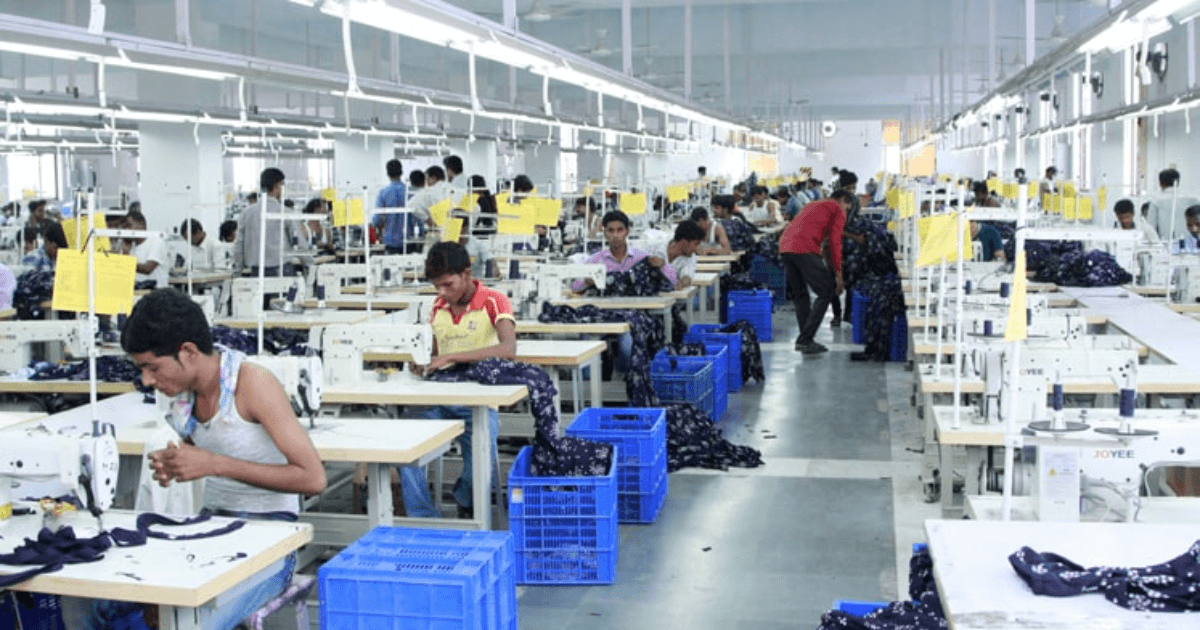
While the designs and branding are developed in fashion capitals like Paris, Milan, Tokyo, or New York, the actual production of garments is highly globalized. Most clothing brands today manufacture in countries where large-scale, reliable, and affordable apparel production is possible-particularly in Asia.
Let's take a closer look at where and why most clothing brands manufacture their garments in today's global fashion supply chain.
Why It Matters Where Clothing Brands Manufacture Their Products

For any fashion brand, where you choose to manufacture your clothing directly impacts your profit margins, product quality, brand image, and delivery timelines.
Global clothing brands evaluate manufacturing locations based on:
- Cost of labor and materials
- Production capabilities and expertise
- Logistical efficiency and shipping time
- Regulatory compliance and ethical standards
- Specialization in garment types (e.g., outerwear vs. basics)
For example, while some brands prioritize low-cost, high-volume production in countries like Bangladesh or India, others opt for technically advanced manufacturers in China or Vietnam-especially for complex garments like outerwear, sportswear, or performance gear.
Ultimately, the manufacturing location is a strategic decision that shapes how a brand performs in both the marketplace and the supply chain.
Where Are Most Clothing Brands Manufactured Today? (2025 Overview)
In 2025, the vast majority of clothing brands continue to manufacture their garments in Asia, driven by the region's scale, efficiency, and experience.
According to current industry data:
- Over 65% of global garment exports originate from Asia-Pacific.
- China remains the largest clothing manufacturer by volume and value.
- Vietnam, Bangladesh, and India are dominant players in mass-market production.
- Turkey and Eastern Europe serve as nearshore options for European brands.
- Latin America is gaining traction among North American brands seeking faster shipping.
Even luxury brands like Armani, Hugo Boss, and Coach manufacture selected lines in Asia due to the high quality and skilled labor available in specialized factories.

Top Countries Where Clothing Brands Manufacture Their Garments
Here are the top five countries where most clothing brands produce their garments-and what each location is known for:
China
- Still the global leader in garment manufacturing.
- Known for outerwear, sportswear, technical apparel, and custom production.
- Offers both OEM and ODM services, vertical integration, and strict quality control.
01
Bangladesh
- Specializes in basic garments: t-shirts, woven shirts, jeans.
- Offers the lowest labor costs, ideal for fast fashion and large volumes.
- Growing focus on improving sustainability and worker safety.
02
Vietnam
- Strong in casualwear, uniforms, outerwear, and mid- to high-end production.
- Good balance of quality and cost.
- Free trade agreements with major economies boost export competitiveness.
03
India
- A major hub for textiles, cotton wear, and artisan products.
- Known for handcrafted techniques and natural fabrics.
- Infrastructure still developing for high-volume, technical garments.
04
Turkey
- Preferred by European brands for speed-to-market and proximity.
- Good for denim, knitwear, and tailored garments.
- Offers strong design collaboration and small batch flexibility.
05
Why Do Most Clothing Brands Manufacture in Asia?
Asia remains the manufacturing powerhouse for clothing brands-and for good reason. Whether you're a global fashion house or a growing DTC label, the region offers a rare combination of scale, skill, and speed.
Key reasons brands choose Asia:
Cost advantage:
Labor and raw materials are more affordable compared to Western countries.
Established infrastructure:
The region has mature textile ecosystems, including fabric mills, dye houses, accessory suppliers, and logistics hubs.
Experience with global brands:
Many factories have long-standing relationships with companies like Nike, H&M, Zara, Patagonia, and Uniqlo.
Specialization by country:
From high-volume t-shirts in Bangladesh to high-performance outerwear in China or Vietnam, each country has niche strengths.
For clothing brands looking to scale without sacrificing product variety or supply chain control, Asia remains the most strategic manufacturing destination.
China's Role in Clothing Brand Manufacturing
Even as other countries gain momentum, China continues to be the most important country for global clothing brand manufacturing-especially for complex and customized products.
- High production capacity for everything from fast fashion to luxury apparel
- Advanced machinery and technical know-how, especially for outerwear, seam-taped jackets, puffers, and hybrid fabrics
- Integrated supply chain covering fabric, trims, printing, embroidery, and packaging
- Export expertise: From shipping documentation to customs clearance, Chinese suppliers are highly efficient
- Innovation readiness: Many Chinese factories are investing in automation, sustainability, and digital production processes.
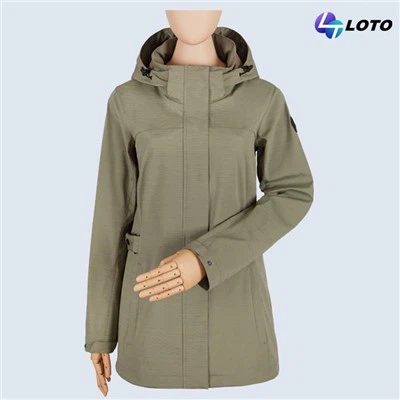
Hebei Loto, for instance, is a leading example of how Chinese manufacturers have evolved into specialized, export-ready, quality-driven partners for international brands-especially in the custom outerwear segment.

What Kinds of Clothing Are Manufactured in Different Countries?
Most clothing brands don't manufacture the same types of garments in all countries-they strategically match product categories with countries that offer expertise, speed, and cost-efficiency.
Here's how it typically breaks down:
|
Country |
Best for |
|
China |
Outerwear, sportswear, technical gear, waterproof jackets |
|
Bangladesh |
T-shirts, woven shirts, denim, casualwear |
|
Vietnam |
Uniforms, activewear, premium casualwear, outdoor gear |
|
India |
Cottonwear, loungewear, artisan fabrics, embroidery |
|
Turkey |
Knitwear, denim, tailored garments, fast fashion |
|
Cambodia / Indonesia |
Footwear, basics, athleisure (mid-volume production) |
Choosing the right country for each product type allows brands to maximize efficiency while meeting quality targets-and ultimately results in more profitable, scalable product lines.
Do Luxury and Fast Fashion Brands Manufacture in the Same Countries?
While both luxury and fast fashion brands manufacture in Asia and other low-cost regions, their strategies, factory selection, and production standards differ significantly.
Fast Fashion Brands (e.g., H&M, Zara, Shein):
- Prioritize cost, speed, and scale
- Often manufacture in Bangladesh, India, China, Vietnam
- Focus on short lead times and massive volumes
- Frequently work with large OEMs capable of fast turnaround
Luxury Brands (e.g., Burberry, Armani, Hugo Boss):
- Prioritize craftsmanship, precision, and quality control
- Often produce high-end lines in Italy, Portugal, France, but also outsource components or selected products to China and Vietnam
- Choose specialized factories that meet strict compliance and finish standards
- Rely on low-automation, highly-skilled hand finishing for premium lines
So yes, the countries may overlap, but the specific factories, production expectations, and oversight are completely different.
Choosing the Right Country to Manufacture Your Clothing Brand
If you're launching or scaling a clothing brand, the best manufacturing country for you depends on several factors:
Questions to ask yourself:
What type of garments are you producing (e.g., outerwear, basics, activewear)?
- What is your monthly or seasonal volume?
- Do you need low MOQs or can you meet high minimums?
- How important are sustainability certifications or speed to market?
- Is your brand more cost-driven or quality-driven?
Here's a simplified approach:
|
Brand Type |
Recommended Region |
|
Startup brand |
China (flexible MOQs), Vietnam, India |
|
Premium DTC label |
China, Turkey, Portugal |
|
Fast fashion |
Bangladesh, India, China |
|
Technical or outdoor brand |
China, Vietnam |
|
Luxury brand |
Italy (for high-end), China (for selected SKUs) |
Choosing the right region is a strategic decision that should align with your product complexity, customer expectations, and growth plan.
Why Hebei Loto Is a Trusted Outerwear Manufacturer for Global Brands
Hebei Loto isn't just another Chinese garment factory-we're a specialized outerwear manufacturer serving international clothing brands that demand performance, precision, and flexibility.
Category focus:
Jackets, parkas, raincoats, puffers-we only do outerwear, and we do it well.
01
Technical capabilities:
Seam taping, insulation, waterproof membranes, venting systems.
02
Flexible MOQs:
We support startup brands and scale with your growth.
03
Sustainable sourcing:
GRS-certified insulation, OEKO-TEX® fabrics, and compliant production.
04
Export expertise:
We manage end-to-end fulfillment for North America, Europe, Australia, and more.
05
If you're searching for a specialized partner to manufacture your outerwear line, contact Hebei Loto for sampling and production support.

FAQ: Where Should Clothing Brands Manufacture Their Garments?

01.Where do most fashion brands manufacture their clothing?
02.Is it better to manufacture clothing in China or Vietnam?
03.Can startup brands manufacture in the same countries as big brands?
04.Do luxury brands manufacture clothing in Asia?
05.Why choose Hebei Loto over large-scale manufacturers?