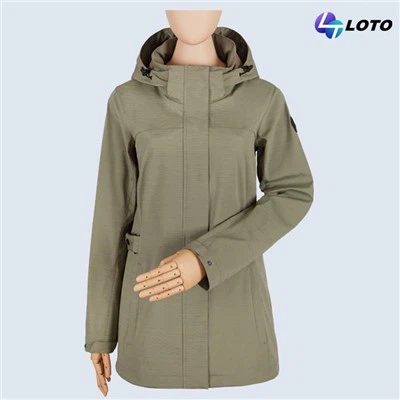
Dive deep into the art and science of down jacket production. From style design, liner material selection, to feather classification and craftsmanship flow, we unveil the artistry and precision behind every down jacket.
As the fashion industry evolves, down jackets have become an essential garment for winter. But how does the craft and manufacturing process behind the scenes ensure that every down jacket is both warm and fashionable? This article will take you on a deep dive into the craftsmanship of producing a down jacket, ensuring that every purchase you make is an informed one.
Style Breakdown:
Lightweight Down Jacket: This type is designed with a three-layer structure, making it light and suitable for early autumn or warm winter days. The structure consists of an outer layer + liner + inner lining.


Medium-thick Down Jacket: Designed with a four-layer approach, it's more apt for colder conditions, offering superior warmth. The structure is outer layer + liner + liner + inner lining.

Liner Classification:
Gel-coated Liner: This liner has one side coated with a thin layer of glue. When placed against the feather, it effectively prevents feathers from poking through.
Chun Yarn Double-sided Matte Liner: Unlike the gel-coated liner, both sides of this liner are treated with a matte finish, making it versatile for use without concerns about the right or wrong side.
Feather Classification:
Type: Differentiating between duck down and goose down. Typically, goose down is considered a more luxurious and warmer option.
Color: White down is suitable for light-colored fabrics, while grey down is used for other colors.
Fluffiness: Indicators like 80 down and 90 down represent the quality and fluffiness of the down. A higher number suggests better fluffiness and warmth.
Detailed Craftsmanship Requirements:
In current production, the quilting step is performed before filling the down. The size of the cuts for the outer and liner materials is usually consistent, but in some cases, the liner might be slightly larger to ensure product integrity.


All seams are meticulously locked to ensure that the down doesn't seep out from the seams, enhancing the durability of the product.
During the joining process, careful craftsmen make sure no hidden stitches are left, maintaining the aesthetic look of the product.
During the filling phase, the exact weight is strictly adhered to, with precise weighing tools ensuring every down jacket meets the standard.
In the template quilting, needles are changed regularly to ensure precision with every puncture, preferring high-quality imported needles.
Finished products undergo rigorous washing and testing to ensure no feather pokes out.
The production standards for children's styles are even more stringent, ensuring every product is safe, free of impurities, and meets the needs of young wearers.
Through this article, we hope you've gained a deeper understanding of the craftsmanship behind down jackets, allowing you to make more confident and informed choices when purchasing.